Advanced Bass Fishing Tips: Patterns and Presentations
Bass fishing is arguably the most popular freshwater pursuit globally, driving continuous innovation in tackle and boat design. Whether you are targeting heavily vegetated largemouth habitats or the rocky drop-offs preferred by smallmouth, consistent success requires understanding the biological drives of the fish. This means recognizing seasonal patterns and knowing how to adapt your lure selection to match.
Cracking the Seasonal Code
Bass are cold-blooded creatures, meaning water temperature dictates their metabolism and behavior. Understanding the seasons is the most critical piece of the bass fishing puzzle.
Pre-Spawn (Late Winter to Spring)
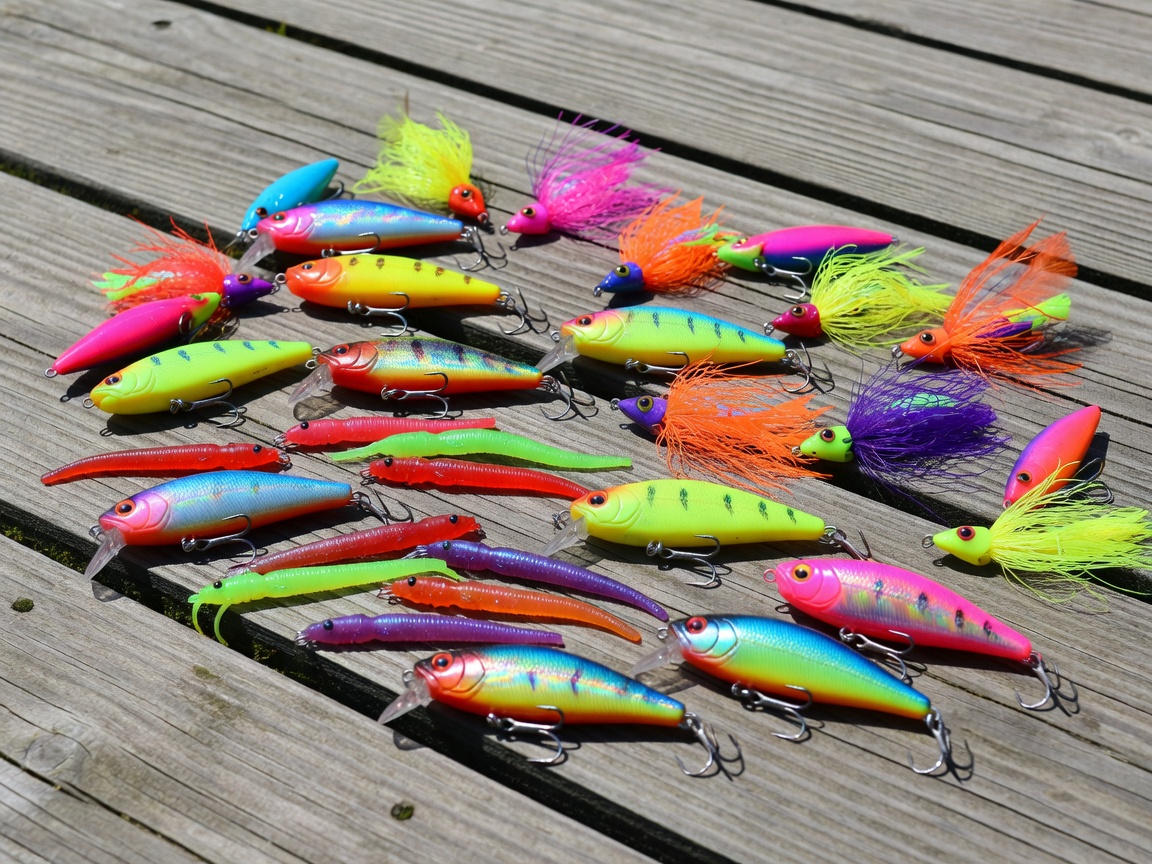
As water temperatures begin to slowly rise out of winter lows, bass move from deep wintering holes to staging areas near shallow spawning flats. They feed aggressively during this period to build energy. Lipless crankbaits, jerkbaits, and heavy jigs dragged slowly across secondary points are highly effective. Focus on transitional zones where deep water quickly meets shallow shelves.
The Spawn
When water temperatures stabilize in the optimum range, bass move into shallow, protected areas to fan out beds. During this time, they are defensive rather than hungry. Soft plastics—such as creature baits or Texas-rigged worms—pitched directly into the bed can trigger aggressive reaction strikes as the bass attempt to remove the threat from their territory.
Summer Patterns
The heat of summer pushes bass in two directions. Some move deep, seeking cooler water and congregating around offshore structures like submerged creek channels and ledges. Deep-diving crankbaits and heavy Carolina rigs excel here. Alternatively, some bass remain shallow but bury themselves deep under thick vegetation for shade. This requires "punching" heavy jigs through matted weeds or working hollow-body frogs over the canopy at dawn and dusk.
The Fall Transition
As water cools, baitfish migrate back into shallow creeks and bays, and the bass follow them. This is a period of heavy feeding before winter. Fast-moving lures that mimic baitfish—like spinnerbaits, chatterbaits, and square-bill crankbaits—fished actively around schooling bait are incredibly effective.
Cover and Structure: Finding the Fish
Bass are ambush predators. Rarely will you find them roaming open, featureless water. They rely on "cover" (physical objects like laydown logs, lily pads, and docks) and "structure" (bottom topography like drop-offs, points, and humps) to conceal themselves while waiting for prey.
- Wood: Fallen trees and submerged stumps hold heat and attract forage. Deflecting crankbaits off wood or flipping jigs into the branches are classic tactics.
- Vegetation: Grass lines and lily pads provide oxygen and shade. Edges where different types of vegetation meet are prime ambush points.
- Rocks: Rock piles and riprap banks attract crawfish. A jig bumped slowly across rocky bottoms mimics their primary forage perfectly.
Choosing the Right Line for the Job
Line selection can make or break a bass presentation. Using heavy braid (50-65 lbs) is virtually mandatory when fishing heavy vegetation with frogs to prevent the fish from wrapping and snapping the line. Conversely, clear deep-water lakes require the invisibility of fluorocarbon (8-12 lbs) to trick wary, heavily pressured fish using finesse techniques like drop-shotting.
Conclusion
Bass fishing is a dynamic puzzle that changes daily based on weather, water clarity, and temperature. The most successful anglers are those who remain versatile, avoiding the trap of throwing a single favorite lure all day. Analyze the conditions, match the seasonal pattern, and thoroughly dissect the available cover.