Fly Fishing Techniques: Elevate Your Presentation
Fly fishing is frequently described as an art form, a dance between the angler, the current, and the insect life native to the watershed. Unlike conventional fishing where the weight of the lure pulls the line to the target, fly fishing relies on the weight of the line to carry an almost weightless fly. Mastering this requires specific casting techniques and a deep understanding of aquatic environments.
Mastering the Cast
The foundation of fly fishing is the cast. While many variations exist, two casts stand out as absolutely essential for any fly angler.
The Overhead Cast
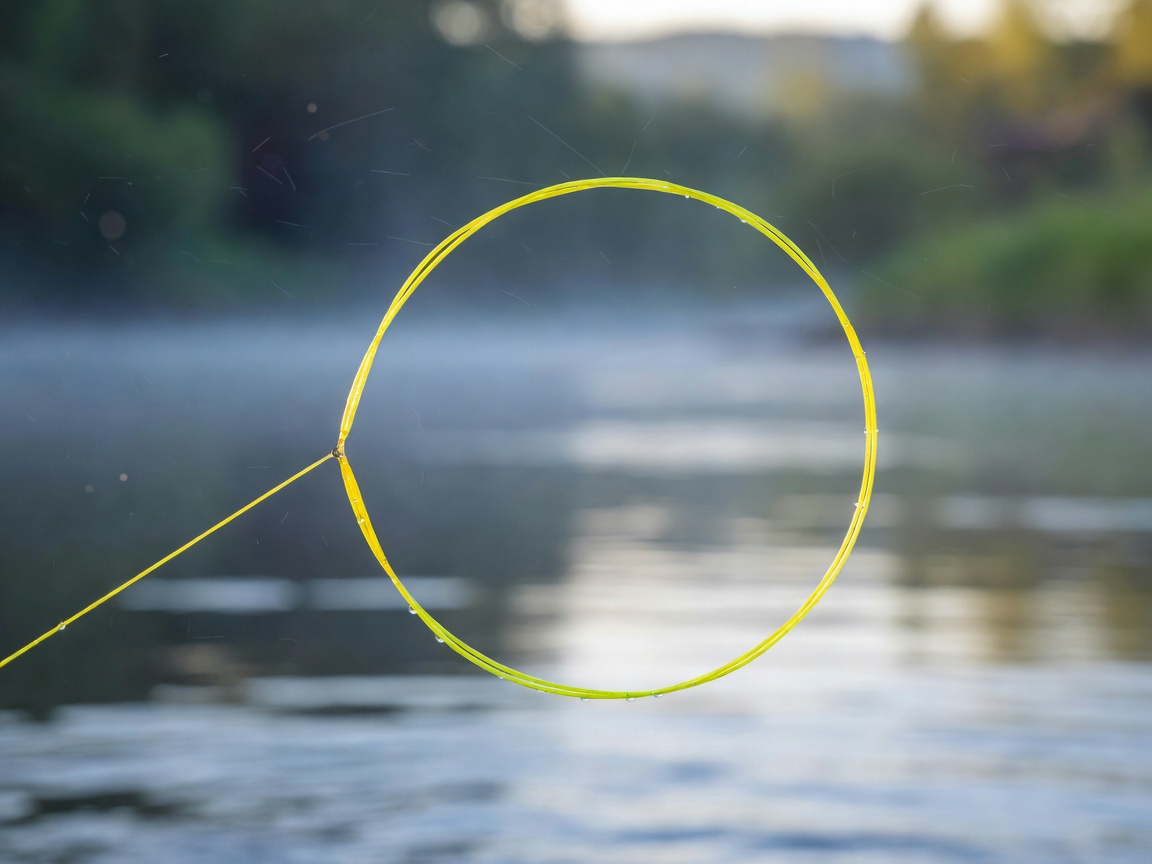
This is the quintessential fly fishing cast. It consists of a backcast and a forward cast, requiring precise timing. As you lift the rod, you smoothly accelerate to a sudden stop, allowing the line to unroll behind you in a tight loop. Pausing just long enough for the line to straighten, you then drive the rod forward to a second abrupt stop. The most common mistake beginners make is breaking their wrist, which opens the loop and severely reduces power and accuracy.
The Roll Cast
When fishing small, heavily wooded streams, there often isn't enough room behind you to perform an overhead cast. Enter the roll cast. By drawing the rod tip back slowly to form a "D-loop" of line on the water beside you, and then snapping the rod forward, you can efficiently deliver the fly without needing rear clearance. It's also an excellent way to lift heavy wet flies or sinking lines to the surface before beginning an overhead cast.
Reading the Water
Casting beautifully is irrelevant if you aren't presenting your fly where the fish are holding. "Reading the water" means identifying the seams, eddies, and structures where fish wait to ambush prey while expending minimal energy.
- Seams: The visible line where fast water meets slow water. Fish often sit in the slow water, darting into the fast water to grab food drifting by.
- Current Breaks: Boulders, fallen logs, or deep depressions in the riverbed. These provide shelter from the main current flow.
- Undercut Banks: Deep, shadowy areas where water has eroded the earth beneath the bank. These are prime hiding spots for large, wary trout.
Dry Fly vs. Nymphing
Understanding what fish are eating dictates your presentation approach. While a surface take on a dry fly is visually spectacular, the reality is that trout do approximately 80% of their feeding below the surface.
Dry Fly Fishing: This involves casting a fly designed to float on the surface film, mimicking an adult insect. The critical challenge here is achieving a "drag-free drift." If your fly moves across the current unnaturally (caused by the line pulling it), educated fish will refuse it. Mending your line—flipping sections of line upstream or downstream to counteract the current—is necessary to maintain a natural drift.
Nymphing: This technique mimics the immature, aquatic stage of insects drifting near the river bottom. Nymphing often involves using a strike indicator (similar to a small bobber) and small split-shot weights to get the fly down quickly into the strike zone. Detecting a strike while nymphing can be challenging; the indicator may simply pause or twitch subtly. A quick hook set is required at the slightest suspicion of a take.
Conclusion
Developing proficiency in fly fishing takes patience and practice. Focus on the fundamentals of your casting mechanics and spend time simply observing the water before you make your first cast. Understanding the environment is just as crucial as the gear in your hand.