The Comprehensive Saltwater Fishing Guide
Saltwater fishing offers an entirely different scale of adventure compared to freshwater angling. The environments are vast, the tides are powerful, and the fish are notoriously aggressive and strong. Transitioning to the salt requires a distinct set of skills, an understanding of marine patterns, and specialized gear capable of handling harsh conditions.
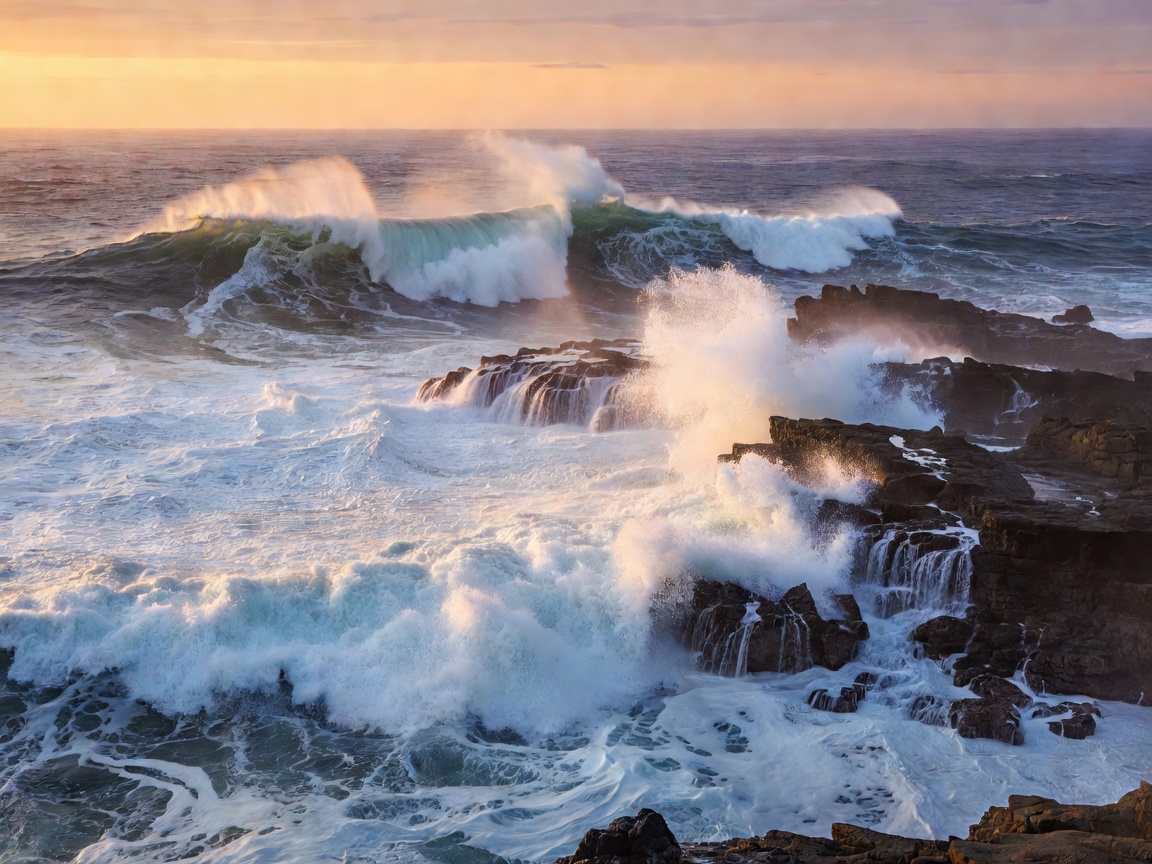
Tackling Corrosion: Gear that Survives the Salt
The single greatest enemy to saltwater fishing gear is the ocean itself. Salt is highly corrosive and will rapidly degrade untreated metals. When selecting reels, look for sealed drag systems, anodized aluminum bodies, and shielded stainless steel bearings. Rods should feature corrosion-resistant guides (such as titanium or specialized ceramics).
Post-trip maintenance is mandatory. Always rinse your rods, reels, and lures thoroughly with light freshwater immediately after a trip. Avoid blasting the gear with high-pressure water, as this can force salt and sand deeper into the reel's internal mechanisms.
Inshore vs. Offshore Fishing
Saltwater fishing is broadly categorized into two distinct environments, each requiring vastly different approaches.
Inshore Fishing
Inshore fishing occurs in bays, estuaries, flats, and coastal waterways, typically in water depths under 20 feet. This environment relies heavily on understanding tidal movements. Fish move onto shallow flats during high tide to feed and retreat to deeper channels as the tide falls.
- Techniques: Sight casting, working topwater lures over grass beds, and drifting live bait along channel edges.
- Gear: Medium to medium-heavy spinning or casting outfits, usually spooled with 15 to 30-pound braided line and fluorocarbon leaders.
Offshore (Deep Sea) Fishing
Venturing past the sight of land brings you into the realm of pelagic species. Offshore fishing means dealing with deep water, strong ocean currents, and significantly larger fish.
- Techniques: Trolling artificial lures or rigged baits behind a moving boat, deep dropping heavy jigs over reefs, and chumming to draw fish to the surface.
- Gear: Heavy-duty trolling setups, robust conventional reels with massive line capacities, and stand-up rods designed to apply maximum leverage against heavy fish.
The Importance of Tides and Moon Phases
In saltwater environments, the tide dictates the bite. Tides govern the movement of baitfish, crustaceans, and the predators that hunt them. Moving water is almost always preferable to stagnant water. The periods immediately before a high tide or the beginning of a falling tide often trigger feeding frenzies, as prey is swept out of protected areas.
Additionally, moon phases dramatically affect tidal swings. "Spring tides" (occurring during full and new moons) feature the highest highs and lowest lows, creating strong currents that can aggressively stimulate feeding activity. Tracking solunar tables in conjunction with local tide charts is a hallmark of a successful saltwater angler.
Essential Safety Considerations
The ocean is unforgiving. Changing weather patterns, hidden sandbars, and equipment failure can turn a good day bad quickly. Always check marine forecasts before departing. Ensure you have properly fitting personal flotation devices (PFDs), functioning VHF radios, and visual distress signals. Inshore wading anglers should be mindful of stingrays (performing the "stingray shuffle") and sudden drop-offs in the topography.
Conclusion
Saltwater fishing tests both angler and equipment to their limits. By respecting the corrosive nature of the environment, studying the tides, and prioritizing safety, you open the door to some of the most thrilling battles the sporting world has to offer.